Silk Roads: Islamic Interactions

Ik pak de draad weer op met mijn verslag van de tentoonstelling
Silk Roads eind vorige jaar/begin dit jaar in London.

DSC00280LondenBritishMuseumSilkRoadsElephantRiersInBattlePalceOfVarakhshaBukharaReginUzbekistanAboutAD730WallPainting

Londen, British Museum, Silk Roads, Elephant riders in battle, Palace of Varakhsha, Bukhara region, Uzbekistan, about AD 730, wall painting.


DSC00276LondenBritishMuseumSilkRoadsIslamicInteractionsTxtDSC00277LondenBritishMuseumSilkRoadsCentralAsiaAfterTheArabConquestTxtDSC00278LondenBritishMuseumSilkRoadsElephantRiersInBattlePalceOfVarakhshaBukharaReginUzbekistanAboutAD730WallPaintingDSC00279LondenBritishMuseumSilkRoadsElephantRiersInBattlePalceOfVarakhshaBukharaReginUzbekistanAboutAD730WallPaintingTxt


DSC00281 01 LondenBritishMuseumSilkRoadsIslamEncountersBuddhismBamiyanAfghanistanTxt AD500DSC00281 02 LondenBritishMuseumSilkRoadsIslamEncountersBuddhismBamiyanAfghanistanTxt

Large Buddha, Bamiyan, Cave number 5, Afghanistan, AD 500s.


DSC00283LondenBritishMuseumSilkRoadsTheGameOfKingsExcavatedSamarkandAfrasiabUzbekistanAD700

The game of Kings.

DSC00284LondenBritishMuseumSilkRoadsTheGameOfKingsExcavatedSamarkandAfrasiabUzbekistanAD700TxtDSC00285LondenBritishMuseumSilkRoadsTheGameOfKingsExcavatedSamarkandAfrasiabUzbekistanAD700

Excavated in Samarkand, Afrasiab, Uzbekistan, AD 700.


DSC00287LondenBritishMuseumSilkRoadsKuficScriptOnCeramicDishNishapurIranLivelihoodIsDistributedByGodAmongThePeopleAD900s

Kufic script on ceramic dish, Nishapur, Iran (Livelihood is distributed by God among the people), AD 900s.

DSC00288LondenBritishMuseumSilkRoadsAdoptionOfArabicTxt


A Silk Road Oasis

Mijn laatste bericht over deze tentoonstelling in Londen.
Dit weekend zijn de boeken voor het laatste in deze samenstelling
te zien. Online zijn de meeste ook te zien als je zoekt met hun
uniek nummer (van het eerste boek in dit bericht is dat nummer
bijvoorbeerd Or.8212/178. Het eerste resultaat van de zoekmachine
brengt je direct naar het document op de IDP-website;
International Dunhuang Programme).

In dit bericht het thema: de gewone Boeddistische gelovigen.

DSC00501LondenBritishLibraryASilkRoadOasisTheCaveTxtDSC00500LondenBritishLibraryASilkRoadOasisTheLayBuddhistTxtDSC00502LondenBritishLibraryASilkRoadOasisConfessionalBookOfTheManichaeanUyghursMogaoCave17 9th-10thCentury

Londen, British Library, A Silk Road Oasis, Confessional book of the Manichaean Uyghurs, Mogao Cave 17, 9th – 10th century.

DSC00503LondenBritishLibraryASilkRoadOasisConfessionalBookOfTheManichaeanUyghursMogaoCave17 9th-10thCenturyTxt


DSC00504LondenBritishLibraryASilkRoadOasisDecorativeCopyOfTheGreatParinirvanaSutraMogaoCave17 0th-10thCentury

Decorative copy of The Great Parinirvana sutra, Mogao Cave 17, 9th – 10th century.

DSC00505LondenBritishLibraryASilkRoadOasisDecorativeCopyOfTheGreatParinirvanaSutraMogaoCave17 0th-10thCenturyTxt


DSC00509LondenBritishLibraryASilkRoadOasisMiniatureTibetanScrollMogaoCave17 8th-10thCentury

Miniature Tibetan scroll, Mogao Cave 17, 8th – 10th century.

DSC00508LondenBritishLibraryASilkRoadOasisMiniatureTibetanScrollMogaoCave17 8th-10thCenturyTxt


DSC00510LondenBritishLibraryASilkRoadOasisScrollOfTheNilakanthaDharaniMogaoCave17 8th-10thCenturyOr8212-175

Scroll of the Nilakantha Dharani, Mogao Cave 17, 8th – 10th century (Or.8212/175). Mijn foto van de tekst bij het boek was niet goed maar daar biedt Wikikpedia een uitkomst.


Wikipedia:

De Nīlakaṇṭha Dhāranī (नीलकण्ठ धारनी) of Mahā Karuṇā Dhāranī (महा करुणा धारनी) is een boeddhistische mantra, geschrift en gebed. Het geschrift is een ode aan de heilige Guanyin, bodhisattva der mededogen. Door het geschrift te zingen of te bidden vraagt men Guanyin hulp en bescherming. Ook is het een goed middel om boze geesten te verjagen en brandongelukken vermijden. Volgens boeddhisten kan men met dit gebed genezing vragen voor één of meer van de 34.000 ziektes. Op offeringsbekertjes op Chinese boeddhistische altaren kan men weleens een dabeishengshuibeker vinden. Op dit soort bekertjes is de Nīlakaṇṭha Dhāranī in het hanzi afgedrukt. Na het gebed is het bekertje water heilig en soms wordt het door gelovigen opgedronken om ziektes te genezen. Het water staat ook symbool voor rust en kalmte, een belangrijk aspect in het Chinees boeddhisme.

Geschiedenis
De Nīlakaṇṭha Dhāranī is gevonden tussen de manuscripten van Dunhuang. Het geschrift is door Vajrabodhi vertaald vanuit het Sanskriet naar het Chinees. Het gebed is weliswaar oorspronkelijk in het Sanskriet, maar Chinezen gebruiken veelal de vorm die geschreven is in het Chinees. Daarom is de uitspraak een sterk verbasterde vorm van het oorspronkelijke Sanskriet.


DSC00512LondenBritishLibraryASilkRoadOasisPaintingOfABodhisattvaMogaoCave17-10thCentury

Painting of a bodhisattva, Mogao Cave 17, 10th century.

DSC00513LondenBritishLibraryASilkRoadOasisPaintingOfABodhisattvaMogaoCave17-10thCenturyDSC00514LondenBritishLibraryASilkRoadOasisPaintingOfABodhisattvaMogaoCave17-10thCentury


DSC00515LondenBritishLibraryASilkRoadOasisIllustratedSutraOfTheTenKingsMogaoCave17-10thCenturyFragment

Illustrated sutra of the Ten Kings, Mogao Cave 17, 10th century (Fragment).

DSC00516LondenBritishLibraryASilkRoadOasisIllustratedSutraOfTheTenKingsMogaoCave17-10thCenturyFragmentDSC00517LondenBritishLibraryASilkRoadOasisIllustratedSutraOfTheTenKingsMogaoCave17-10thCenturyFragmentDSC00518LondenBritishLibraryASilkRoadOasisIllustratedSutraOfTheTenKingsMogaoCave17-10thCenturyFragmentDSC00519LondenBritishLibraryASilkRoadOasisIllustratedSutraOfTheTenKingsMogaoCave17-10thCenturyFragmentDSC00520LondenBritishLibraryASilkRoadOasisIllustratedSutraOfTheTenKingsMogaoCave17-10thCenturyFragment

DSC00521LondenBritishLibraryASilkRoadOasisIllustratedSutraOfTheTenKingsMogaoCave17-10thCenturyDetailDSC00524LondenBritishLibraryASilkRoadOasisIllustratedSutraOfTheTenKingsMogaoCave17-10thCenturyDetailDSC00525LondenBritishLibraryASilkRoadOasisIllustratedSutraOfTheTenKingsMogaoCave17-10thCenturyTxt


DSC00530LondenBritishLibraryASilkRoadOasisTheAnonymousManInHis80sTxtDSC00526LondenBritishLibraryASilkRoadOasis3TimesTheDiamondSutra

Drie versies van de Diamond sutra.

DSC00527LondenBritishLibraryASilkRoadOasisDiamondSutraBookletWrittenWithBloodMogaoCave17-27Febrary905 Or8210S5451

Diamond Sutra booklet written with blood, Mogao Cave 17, 27 Febrary 905 (Or.8210/S.5451).

DSC00528LondenBritishLibraryASilkRoadOasisDiamondSutraBookletMogaoCave17-8April905 Or8210S5534

Diamond sutra booklet, Mogao Cave 17, 8 April 905 (Or.8210/S.5534).

DSC00529LondenBritishLibraryASilkRoadOasisDiamondSutraBookletWrittenWithBloodMogaoCave17-28Febrary905 Or8210S5669

Diamond sutra booklet written with blood, Mogao Cave 17, 28 Febrary 905 (Or.8210/S.5669).

DSC00531LondenBritishLibraryASilkRoadOasis3TimesTheDiamondSutraDSC00532LondenBritishLibraryASilkRoadOasisOn28February905ThisOdManof83Txt


Argus in China

Weer een vervolg op die mooie Gandhara-kunst.
Ik zag deze collectie in het Provincial Museum of Gansu in Lanzhou.

DSC07736ArgusInChinaLanzhouProvincialMuseumOfGansuFragmentOfACanopyDepictingFourKinnarasAmongLotus2nd-3rdCenturyPeshawarDistrictNationalMuseumOfPakistanKarachiGraySchist

China, Lanzhou, Provincial Museum of Gansu, Fragment of a canopy depicting four kinnaras among lotus, 2nd – 3rd century, Peshawar District, National Museum of Pakistan, Karachi, grey schist.

DSC07737ArgusInChinaLanzhouProvincialMuseumOfGansuFragmentOfACanopyDepictingFourKinnarasAmongLotus2nd-3rdCenturyPeshawarDistrictNationalMuseumOfPakistanKarachiGraySchistTxt


DSC07738ArgusInChinaLanzhouProvincialMuseumOfGansuADonorFigureWithACandle2nd-3rdCenturySwatDistrictNationalMuseumOfPakistanKarachiSchistDSC07739ArgusInChinaLanzhouProvincialMuseumOfGansuADonorFigureWithACandle2nd-3rdCenturySwatDistrictNationalMuseumOfPakistanKarachiSchistTxt

A donor figure with a candle, 2nd – 3rd century, Swat District, National Museum of Pakistan, Karachi, schist.


DSC07740ArgusInChinaLanzhouProvincialMuseumOfGansuKissScene3rd-4thCenturyButkaraSwatDistrictSwatMuseumSoapStone

Kiss scene, 3rd – 4th century, Butkara, Swat District, Swat Museum, soap stone.

DSC07741ArgusInChinaLanzhouProvincialMuseumOfGansuKissScene3rd-4thCenturyButkaraSwatDistrictSwatMuseumSoapStoneTxt


DSC07742ArgusInChinaLanzhouProvincialMuseumOfGansuMonkHoldingALamp2nd-3rdCenturyPeshawarDistrictNationalMuseumOfPakistanKarachiSchistBhiksuDharmadeva'sStatue

Monk holding a lamp, 2nd – 3rd century, Peshawar District, National Museum of Pakistan, Karachi, schist. Op de voet staat: ‘Bhiksu Dharmadeva’s statue’.

DSC07743ArgusInChinaLanzhouProvincialMuseumOfGansuMonkHoldingALamp2nd-3rdCenturyPeshawarDistrictNationalMuseumOfPakistanKarachiSchistBhiksuDharmadeva'sStatueTxt


Wikipedia:

bhikṣu, commonly translated as “monk,” has at least three possible meanings:
(1) someone who begs;
(2) someone who has taken the highest level of Buddhist ordination; and
(3) someone who has destroyed mental afflictions.

DSC07744 01ArgusInChinaLanzhouProvincialMuseumOfGansuBenefactorWithcylindricalReliquary2nd-3rdCenturyGandharaDistrictSwatMuseumSchist

Benefactor with cylindrical reliquary, 2nd – 3rd century, Gandhara District, Swat Museum, schist.

DSC07744 02ArgusInChinaLanzhouProvincialMuseumOfGansuBenefactorWithcylindricalReliquary2nd-3rdCenturyGandharaDistrictSwatMuseumSchistDSC07745ArgusInChinaLanzhouProvincialMuseumOfGansuBenefactorWithcylindricalReliquary2nd-3rdCenturyGandharaDistrictSwatMuseumSchistTxt


DSC07746 02ArgusInChinaLanzhouProvincialMuseumOfGansuLoveSceneAndVihara1st-2ndCenturyButragSwatDistrictSwatMuseumGreySchistDSC07746 01ArgusInChinaLanzhouProvincialMuseumOfGansuLoveSceneAndVihara1st-2ndCenturyButragSwatDistrictSwatMuseumGreySchist

Love scene and Vihara (Buddhist temple), 1st – 2nd century, Butrag, Swat District, Swat Museum, grey schist.

DSC07747ArgusInChinaLanzhouProvincialMuseumOfGansuLoveSceneAndVihara1st-2ndCenturyButragSwatDistrictSwatMuseumGreySchistTxt


DSC07748ArgusInChinaLanzhouProvincialMuseumOfGansuAmorinoTeasingALion2nd-3rdCenturyRamdasCollectionRawalpindiNationalMuseumOfPakistanKarachiGreySchist

Amorino (mythical figure) teasing a lion, 2nd – 3rd century, Ramdas Collection (een verzameling sculptures left by Shri Ramdas, an antique dealer of Rawalpindi who migrated to India in 1947), Rawalpindi, National Museum of Pakistan, Karachi grey schist. #notalion.

DSC07749ArgusInChinaLanzhouProvincialMuseumOfGansuAmorinoTeasingALion2nd-3rdCenturyRamdasCollectionRawalpindiNationalMuseumOfPakistanKarachiGreySchistTxt

De tekst is waarschijnlijk niet leesbaar. Daarom: The relief shows a male lion crouching on the ground with his head raised; an amorino is riding the lion mischievously. The French scholar Alfred Foucher described this image as ‘a statue of Eros on a lion in heat’. In Hesiod’s Theogoney, Eros os the primordial god born after Chaos, Gaia, and Tartarus, who inspired the fertility of the gods.


Wikipedia:

The Theogony i.e. “the genealogy or birth of the gods” is a poem by Hesiod (8th–7th century BC) describing the origins and genealogies of the Greek gods, composed c. 730–700 BC. It is written in the Epic dialect of Ancient Greek and contains 1022 lines. It is one of the most important sources for the understanding of early Greek cosmology.

Alfred Charles Auguste Foucher (1865–1952), was a French scholar, who argued that the Buddha image has Greek origins. He has been called the “father of Gandhara studies”,

Argus in China

DSC07722ArgusInChinaLanzhouProvincialMuseumOfGansuEarPendant1stCenturyBCSilkapTaxilaaxilaMuseumGold

China, Lanzhou, Provincial Museum of Gansu, Ear pendant, 1st century BC, Silkap, Taxila, Taxila Museum, gold. Bijzonder voorwerp. Een bloedzuiger, dat is de vertaling van het Engelse woord ‘leech’. Zou niet mijn eerste keuze zijn om er een oorbel van te maken maar het resultaat mag er zijn!

DSC07723ArgusInChinaLanzhouProvincialMuseumOfGansuEarPendant1stCenturyBCSilkapTaxilaaxilaMuseumGoldTxt


DSC07724ArgusInChinaLanzhouProvincialMuseumOfGansuCultOfTheTriratna2nd-3rdCenturyTakht-i-BahiMardanDistrictPeshawarMuseumSchist

Cult of the Triratna, 2nd – 3rd century, Takht-i-Bahi, Mardan District, Peshawar Museum, schist. ‘Takht-i-Bahi’ is de naam van een Buddhistisch klooster.


Wikipedia:

The Triratna is a Buddhist symbol, thought to visually represent the Three Jewels of Buddhism (the Buddha, the Dhamma and the Sangha).

DSC07725ArgusInChinaLanzhouProvincialMuseumOfGansuCultOfTheTriratna2nd-3rdCenturyTakht-i-BahiMardanDistrictPeshawarMuseumSchistTxt


DSC07726ArgusInChinaLanzhouProvincialMuseumOfGansuCultOfTheRelicStupas2nd-3rdCenturyTakht-i-DahiMardanDistrictPeshawarMuseum

Het was een enorm geluk dat ik de kans had deze tentoonstelling te bezoeken. Het is voor mij weer een hele nieuwe iconografie. Cult of the relic stupas, 2nd – 3rd century, Takht-i-Bahi, Mardan District, Peshawar Museum.

DSC07727ArgusInChinaLanzhouProvincialMuseumOfGansuCultOfTheRelicStupas2nd-3rdCenturyTakht-i-DahiMardanDistrictPeshawarMuseumTxt


DSC07728ArgusInChinaLanzhouProvincialMuseumOfGansuWorshippingEnthronedTurbanOfSiddhartha2nd-3rdCentruryGandharaDistrictPeshawarMuseumSchist

Worshipping of the enthroned turban of Siddhartha, 2nd – 3rd centrury, Gandhara District, Peshawar Museum, schist. In plaats van Boeddha zelf af te beelden kun je ook een symbool dat nauw met hem verbonden is afbeelden, zoals zijn tulband. Dit is een gewoonte in meerdere religies.

DSC07729ArgusInChinaLanzhouProvincialMuseumOfGansuWorshippingEnthronedTurbanOfSiddhartha2nd-3rdCentruryGandharaDistrictPeshawarMuseumSchistTxt


DSC07730ArgusInChinaLanzhouProvincialMuseumOfGansuTheBuddha'sDescentFromTheTrayastrimsa1st-2ndCenturyButkaraIMingoraSwatDistrictSwatMuseumGreenSchist

The Buddha’s descent from the Trayastrimsa, 1st – 2nd century, Butkara I, Mingora, Swat District, Swat Museum, green schist. Trayastrimsa is eenvoudig gezegd een van de 6 hemelse ruimtes in het Boeddhisme. De voetstappen onder aan de middelste ladder zijn die van Boeddha.

DSC07731ArgusInChinaLanzhouProvincialMuseumOfGansuTheBuddha'sDescentFromTheTrayastrimsa1st-2ndCenturyButkaraIMingoraSwatDistrictSwatMuseumGreenSchistTxt


DSC07732ArgusInChinaLanzhouProvincialMuseumOfGansuPrincelyFigureWithABunchOfLotusFlowers2nd-3rdCenturyIslamabadMuseumSchist

Princely figure with a bunch of lotus flowers, 2nd – 3rd century, Islamabad Museum, schist.

DSC07733ArgusInChinaLanzhouProvincialMuseumOfGansuPrincelyFigureWithABunchOfLotusFlowers2nd-3rdCenturyIslamabadMuseumSchistTxt


DSC07734ArgusInChinaLanzhouProvincialMuseumOfGansuReliefWothADonor1st-2ndCenturyButkaraSwatDisctrictSwatMuseumSchist

Relief with a donor, 1st – 2nd century, Butkara, Swat Disctrict, Swat Museum, schist.

DSC07735ArgusInChinaLanzhouProvincialMuseumOfGansuReliefWothADonor1st-2ndCenturyButkaraSwatDisctrictSwatMuseumSchistTxt


Argus in China

DSC07706ArgusInChinaLanzhouProvincialMuseumOfGansuGandharaHeritageAlongTheSilkRoadAPakistanChinaJointExhibition

De beschrijving van het ‘Provincial Museum of Gansu’ was heel positief. ‘Provincial’ moet je ruim zien. Gansu is een enorme provincie in China. Tot mijn verrassing was er een tentoonstelling van kunst uit Gandhara. Het resultaat van een samenwerking tussen Pakistan en China. Gandhara Heritage along the Silk Road – A Pakistan-China joint exhibition. Wat een enorm geluk om die te kunnen zien!


Voor degene die niet bekend zijn met de kunst van Gandhare, hier een
vrije samenvatting van Wikipedia:

Gandhara was an ancient civilization centred in present-day north-west Pakistan and north-east Afghanistan. The core of the region of Gandhara was the Peshawar and Swat valleys.
The region was a central location for the spread of Buddhism to Central Asia and East Asia with many Chinese Buddhist pilgrims visiting the region.
Famed for its unique Gandharan style of art, the region attained its height from the 1st century to the 5th century CE under the Kushan Empire which had their capital at Peshawar.
The Greco-Buddhist art or Gandhara art is the artistic manifestation of Greco-Buddhism, a cultural combination of Ancient Greek art and Buddhism.
Beginning with Alexander the Great’s brief invasion into the area, followed by the Mauryan Emperor Ashoka converting the region to Buddhism.
Gandhara art is characterized by Buddhist subjects, sometimes adapting Greco-Roman elements, rendered in a style and forms that are heavily influenced by Greco-Roman art. It has the strong idealistic realism and sensuous description of Hellenistic art, and it is believed to have produced the first representations of Gautama Buddha in human form.

DSC07707ArgusInChinaLanzhouProvincialMuseumOfGansuTxtDSC07708ArgusInChinaLanzhouProvincialMuseumOfGansuTxtDSC07709ArgusInChinaLanzhouProvincialMuseumOfGansuGoldBowlWithImageOfBacchus1stCenturyBCGandharaDistrictIslamabadMuseumGold

Alle voorwerpen stonden achter glas. Dat is vaak niet de gewoonte in China. Lanzhou, Provincial Museum of Gansu, Gold bowl with image of Bacchus, 1st century BC, Gandhara District, Islamabad Museum, gold.

DSC07710ArgusInChinaLanzhouProvincialMuseumOfGansuGoldBowlWithImageOfBacchus1stCenturyBCGandharaDistrictIslamabadMuseumGoldTxt


DSC07711ArgusInChinaLanzhouProvincialMuseumOfGansuAtlas2nd-3rdCenturyGandharaDistrictPeshawarMuseumSchist

Atlas, 2nd – 3rd century, Gandhara District, Peshawar Museum, schist.

DSC07712ArgusInChinaLanzhouProvincialMuseumOfGansuAtlas2nd-3rdCenturyGandharaDistrictPeshawarMuseumSchistTxt


DSC07713ArgusInChinaLanzhouProvincialMuseumOfGansuTritons1st-3rdCenturyGandharaDistrictPeshawarMuseumSchist

Tritons, 1st – 3rd century, Gandhara District, Peshawar Museum, schist.

DSC07714ArgusInChinaLanzhouProvincialMuseumOfGansuTritons1st-3rdCenturyGandharaDistrictPeshawarMuseumSchistTxt


DSC07715ArgusInChinaLanzhouProvincialMuseumOfGansuTeachingBuddhaDSC07716ArgusInChinaLanzhouProvincialMuseumOfGansuTeachingBuddha

Helaas weet ik niet waar en wanneer deze Teaching Buddha is gemaakt. Hij is prachtig.

DSC07717ArgusInChinaLanzhouProvincialMuseumOfGansuTeachingBuddhaTxt


DSC07718ArgusInChinaLanzhouProvincialMuseumOfGansuToiletTrayWithBanquetScene1stCenturyBCSirkapTaxilaNationalMuseumOfPakistanSchist

Toilet tray with banquet scene, 1st century BC, Sirkap, Taxila, National Museum of Pakistan, schist.

DSC07719ArgusInChinaLanzhouProvincialMuseumOfGansuToiletTrayWithBanquetScene1stCenturyBCSirkapTaxilaNationalMuseumOfPakistanSchistTxt


DSC07720ArgusInChinaLanzhouProvincialMuseumOfGansuFemaleHoldingASpear3rd-4thCenturyGandharaDistrictSwatMuseumSchist

Female holding a spear, 3rd – 4th century, Gandhara District, Swat Museum, schist.

DSC07721ArgusInChinaLanzhouProvincialMuseumOfGansuFemaleHoldingASpear3rd-4thCenturyGandharaDistrictSwatMuseumSchistTxt


Een eerste selectie.
In komende berichten meer.
Helaas was er geen catalogus van de tentoonstelling beschikbaar.
Ik ben bij meerdere souvenirshops in het museum gaan vragen.

Shah Shuja’s adventures in Wonderland

Soms is de realiteit nog meer bizar dan de fantasie.

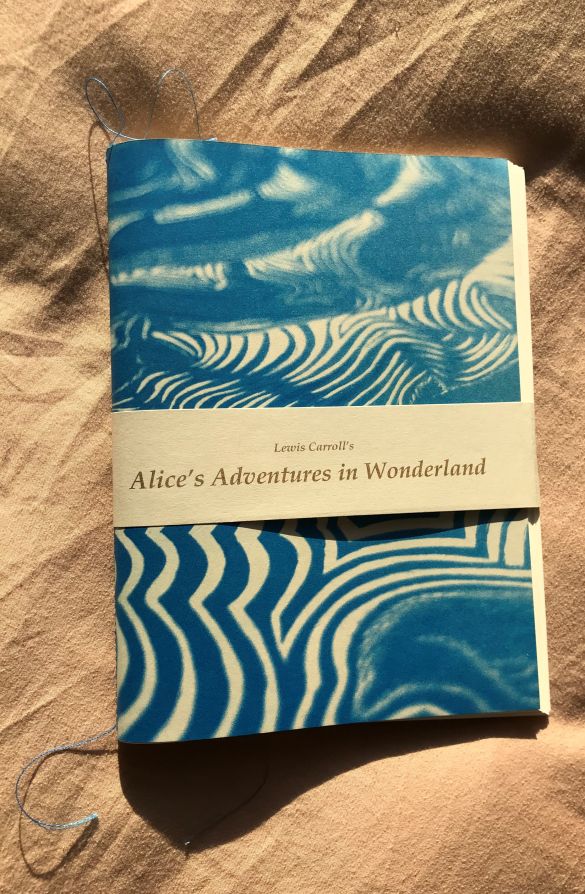
Een tijdje terug las ik het boek van Lewis Carroll
Alice’s Adventures in Wonderland in een uitgave van
van Stencilwerck.

IMG_6486StencilwerckLewisCarrollAliceSAdventuresInWonderland


Min of meer tegelijk lees ik Return of a King.
Een boek van William Dalrymple over Afghanistan.
Heel actueel!

IMG_5861WilliamDalrympleReturnOfAKingTheBattleForAfghanistan


Dan lees je dit:

Chapter eight: The Queen’s croquet ground

At this moment Five, who had been anxiously looking across the garden, called out ‘The Queen! The Queen!’ ………. There was a sound of many footsteps, and Alice looked round, eager to see the Queen.
First came then soldiers carrying clubs; these were all shaped like the three gardeners, oblong and flat, with their hands and feet at the corners: next the ten courtiers; these were ornamented all over with diamonds, and walked two and two, as the soldiers did. After these came the royal children, there were ten of them, and the little dears came jumping merrily along hand in hand, in couples: they were all ornamented with hearts. Next came the guests, mostly Kings and Queens, and among them Alice recognized the White Rabbit: it was talking in a hurried nervous manner, smiling at everything that was said, and went by without noticing her. Then followed the Knave of Hearts, carrying the King’s crown on a crimson velvet cushion; and, last of all this grand procession, came THE KING AND QUEEN OF HEARTS.
….
‘How should I know?’ said Alice, surprised at her own courage. ‘It’s no business of mine.’
The Queen turned crimson with furry, and, after glaring at her for a moment like a wild beast, screamed ‘Off with her head! Off–‘
‘Nonsense!’ said Alice, very loudly and decidedly, and the queen was silent.
The King laid his hand upon her arm, and timidly said ‘Consider, my dear: she’s only a child!’
The Queen turned angrily away from him , and said to the Knave ‘Turn them over!’
The Knave did so, very carefully, with one foot.
‘Get up!’ said the Queen, in a shrill, loud voice, and the three gardeners instantly jumped up, and began bowing to the King, the Queen, the royal children and everybody else.
‘Leave off that!’ screamed the Queen. ‘You make me giddy.’ And then, turning to the rose-tree, she went on, ‘What have you been doing here?’
‘May it please you Majesty,’ said Two, in a very humble tone, going gown on one knee as he spoke, ‘we were trying–‘
‘I see!’ said the Queen, who had meanwhile been examining the roses. ‘Off with their heads!’ and the procession moved on, three of the soldiers remaining behind to execute the unfortunate gardeners, who ran to Alice for protection.

Fragment van pagina 67 en 68 van
Alice’s Adventures in Wonderland.

Een verhaal voor kinderen met speelkaarten die
een hofhouding spelen.
De hartenboer (Knave of Hearts) is de lakei.
Iedereen kent zijn plaats en probeert ieder
incident te vermijden omdat de Hartenvrouw direct
over gaat tot het onthoofden van de volgelingen.
Verder in het verhaal blijkt dat niet iedereen
ook daadwerkelijk onthoofd wordt want anders
zou er snel weinig overblijven van de vreemde hofhouding.

De hofhouding van Shah Shuja overtrof dit sprookje
als je het volgende fragment over de gevluchte koning
van Afghanistan mag geloven.

A bizarre durbar assembled around the deposed Shah. The head of Shuja’s household was Mullah Shakur Ishaqzai – ‘a short, fat person’, wrote Harlan, ‘[whose] rotundity…was adequately finished by the huge turban characteristic of his class, encased in voluminous outline by a profusion of long thick hair which fell upon his shoulders in heavy sable silvered curls’. The curls were there for a purpose: to hide the absence of his ears, which had been removed at Shuja’s orders as a punishment for an earlier failure of courage on the field of battle. But the mullah was in good company, at least according to Harlan, who claimed that Shuja had developed the habit of removing pieces of his household’s anatomy whenever they failed to perform: many of the ears, tongues, noses and genitals of Shuja’s servants had been forfeited at different points resulting in ‘an earless assemblage of mutes and eunuchs in the ex-king’s service’.

Pagina 46 – 47 van Return of a King door
William Dalrymple.

De afgezette koning van Afghanistan, die verschillende
pogingen zou ondernemen zijn troon terug te winnen,
Shah Shuja Durrani, leefde buiten Afghanistan met
een soort van koninklijke hofhouding.
Die hofhouding kon hij zich onder andere veroorloven
door een jaarlijkse toelage vanuit London.
De Amerikaanse avonturier Dr. Josiah Harlan beschreef
die hofhouding en William Dalrymple haalt dit hierboven
aan: een verhaal van bedienden die een deel van hun
anatomie moeten missen omdat ze hun werk, volgens
Shah Shuja, niet goed uitvoerden.

Nieuws, hoezo nieuws?

Gisteravond las is een paar kleine stukjes in een ingebonden
Katholieke Illustratie, de 59ste jaargang, october
(waarschijnlijk van het jaar 1924 – 1925).
Daar zag ik ook twee opvalllende foto’s.
Die deel ik graag hier, naast de voorpagina van het blad.

 photo WP_20160113_010KatholiekeIllustratieOctober19241925.jpg

Katholieke Illustratie, met op de voorkant een foto van Siegfried uit de film Die Nibelungen. Het zou hier kunnen gaan om ‘Die Nibelungen: Kriemhilds Rache (..) een Duitse zwart-wit speelfilm uit 1924 van Fritz Lang’.


 photo WP_20160113_008KatholiekeIllustratieOctober1924-1925Vrouwelijke brandgasten aan de spuit.jpg

Op deze manier durft geen een publicatie in Nederland vrouwen nog af te beelden.

Vrouwelijke brandgasten aan de spuit
Een pakkend groepje, dat bij het brandweercongres te Londen groot succes had;
de dames geven bij de demonstraties doorslaande bewijzen van handigheid en moed.


 photo WP_20160113_009KatholiekeIllustratieOctober1924-1925Onlusten in Afghanistan.jpg

En wij maar denken dat we met de Taliban alles weten van Afghanistan. Volgens mij valt dat flink tegen en weten we niets van dit land.

Onlusten in Afghanistan
Onder de Afghanen zijn opstandige woelingen ontstaan
gericht tegen het bewind en de politiek van den Emir.
Een Masoek-krijgsman, bij een kamp der opstandelingen op post.