Ranjit Singh

DSC00620TheWallaceCollectionRanjitSinghAttrToSaniMaharajaRanjitSinghInspectingHorsesWithGeneralHariSinghNalwaAndOthersAmritsarOrLahorePunjabAbout1830-1832GouacheHeightenedWithGoldOnPaper

Londen, The Wallace Collection, Ranjit Singh, Attributed to Sani, Maharaja Ranjit Singh inspecting horses with general Hari Singh Nalwa and others, Amritsar or Lahore, Punjab, about 1830 – 1832, gouache heightened with gold on paper.

DSC00621TheWallaceCollectionRanjitSinghAttrToSaniMaharajaRanjitSinghInspectingHorsesWithGeneralHariSinghNalwaAndOthersAmritsarOrLahorePunjabAbout1830-1832GouacheHeightenedWithGoldOnPaperTxt


Nog even terugkomen op die aparte helm die geschikt is
voor Sikh-strijders:

DSC00622TheWallaceCollectionRanjitSinghUnknownArmourerTurbanHelmetProbablyLahorePunjab1825-1850WateredSteelIronGoldBrassVelvetAndMetalThreadDetail

Unknown armourer, Turban helmet, probably Lahore, Punjab, 1825 – 1850, watered steel, iron, gold, brass, velvet and metal thread. Detail van de versiering.

DSC00623TheWallaceCollectionRanjitSinghUnknownArmourerTurbanHelmetProbablyLahorePunjab1825-1850WateredSteelIronGoldBrassVelvetAndMetalThreadDSC00624TheWallaceCollectionRanjitSinghUnknownArmourerTurbanHelmetProbablyLahorePunjab1825-1850WateredSteelIronGoldBrassVelvetAndMetalThreadDetail


DSC00625TheWallaceCollectionRanjitSinghBishanSinghTheRoyalCourtOfMaharajaRanjitSinghCa1863-1864GouacheHeightenedWithGoldAndSilverOnPaper

Bishan Singh, The royal court of Maharaja Ranjit Singh, circa 1863 – 1864, gouache heightened with gold and silver on paper.

DSC00626TheWallaceCollectionRanjitSinghBishanSinghTheRoyalCourtOfMaharajaRanjitSinghCa1863-1864GouacheHeightenedWithGoldAndSilverOnPaperDetailDSC00628TheWallaceCollectionRanjitSinghBishanSinghTheRoyalCourtOfMaharajaRanjitSinghCa1863-1864GouacheHeightenedWithGoldAndSilverOnPaperDetailDSC00629TheWallaceCollectionRanjitSinghBishanSinghTheRoyalCourtOfMaharajaRanjitSinghCa1863-1864GouacheHeightenedWithGoldAndSilverOnPaperDetail

Dit werk komt haast over als een nieuwsfoto. Schitterend!


DSC00631TheWallaceCollectionRanjitSinghUnknownWeaversElaboratelyEmbroideredSashKashmirAbout1830PashminaWoolAndWoolenThread

Unknown weavers, Elaborately embroidered sash, Kashmir, about 1830, pashmina wool and woolen thread.

DSC00632TheWallaceCollectionRanjitSinghUnknownWeaversElaboratelyEmbroideredSashKashmirAbout1830PashminaWoolAndWoolenThreadDetailDSC00634TheWallaceCollectionRanjitSinghUnknownWeaversElaboratelyEmbroideredSashKashmirAbout1830PashminaWoolAndWoolenThreadDetailDSC00635TheWallaceCollectionRanjitSinghUnknownWeaversElaboratelyEmbroideredSashKashmirAbout1830PashminaWoolAndWoolenThreadDetailDSC00637TheWallaceCollectionRanjitSinghUnknownWeaversElaboratelyEmbroideredSashKashmirAbout1830PashminaWoolAndWoolenThreadTxt


Mooie beelden uit het British Museum

Uit Klein-Azie en India.

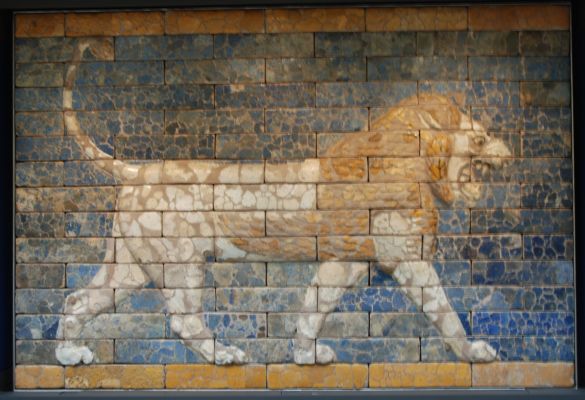
160 DSC_4384LondenBritishMuseum

Stond een beetje opzij. Er is ook zoveel te zien. Ik ben vergeten het bordje te fotograferen maar het roept beelden op van de Ishtar gate.


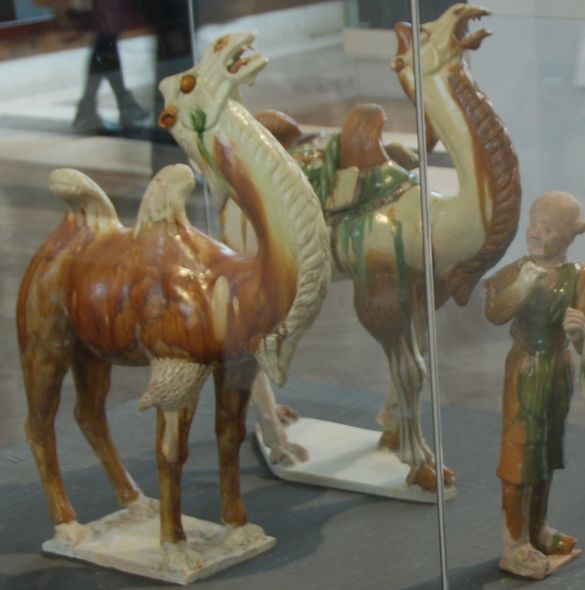
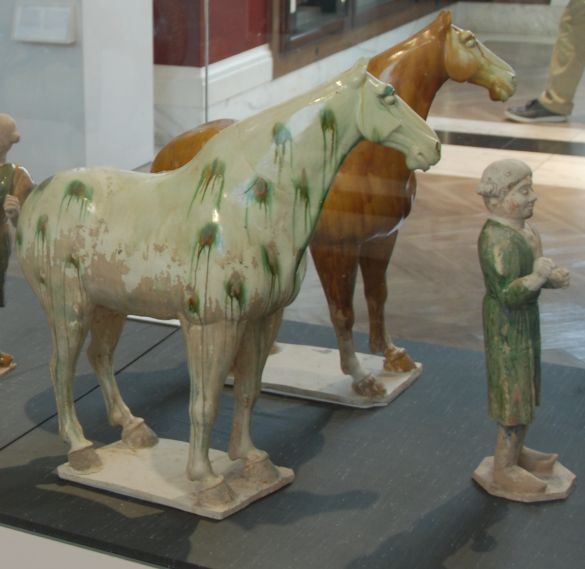
161 DSC_4385ChinaBritishMuseumLondenSancaiFiguresTombOfLiuTingxunDiedAD728 01

China, Sancai figures from Tomb of Liu Tingxun who died AD 728.

161 DSC_4385ChinaBritishMuseumLondenSancaiFiguresTombOfLiuTingxunDiedAD728 02


Wikipedia:

Sancai (literally: “three colours”) is a versatile type of decoration on Chinese pottery using glazes or slip, predominantly in the three colours of brown (or amber), green, and a creamy off-white. It is particularly associated with the Tang Dynasty (618–907) and its tomb figures, appearing around 700.

Sancai of letterlijk ‘drie kleuren’ is een aardewerk in bruin (of amber),
groen en een roomkleurig wit. Wordt in verband gebracht met de Tang dynastie,
in het bijzonder bij grafbeelden.

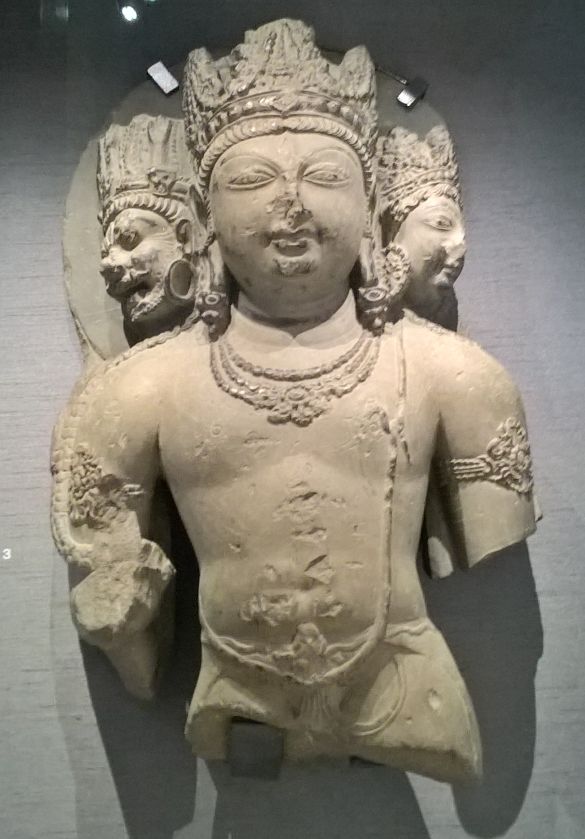
162 WP_20180909_11_02_51_ProIndiaBritishMuseumLondenShivaMaheshvaraGreenChloriteAD700-900Kashmir

Shiva Maheshvara, green chlorite, AD 700 – 900, Kashmir.


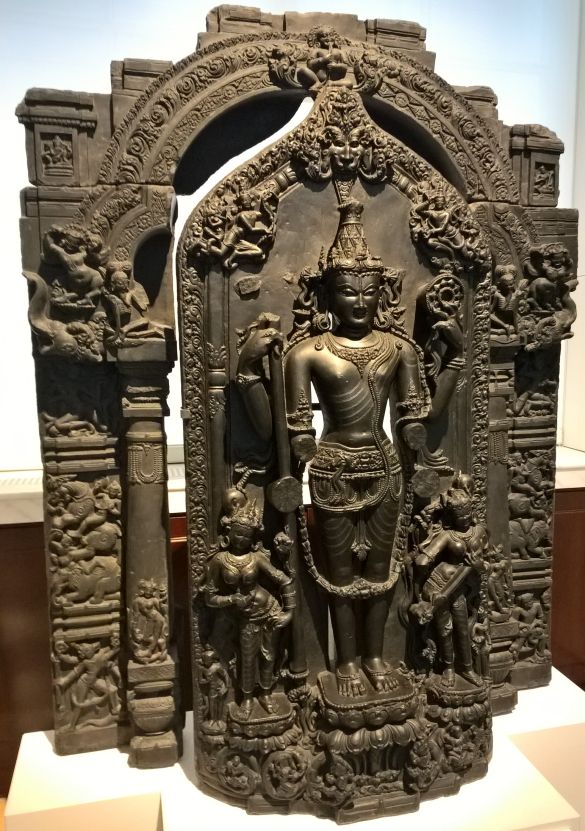
163 WP_20180909_11_04_59_ProIndiaBritishMuseumLondenVishnuAndHisConsortsWithinAnArchedTempleNichePalaDynastyAboutAS1000EastIndia01

Vishnu and his consorts within an arched temple niche, Pala Dynasty, about AD 1000, East India.

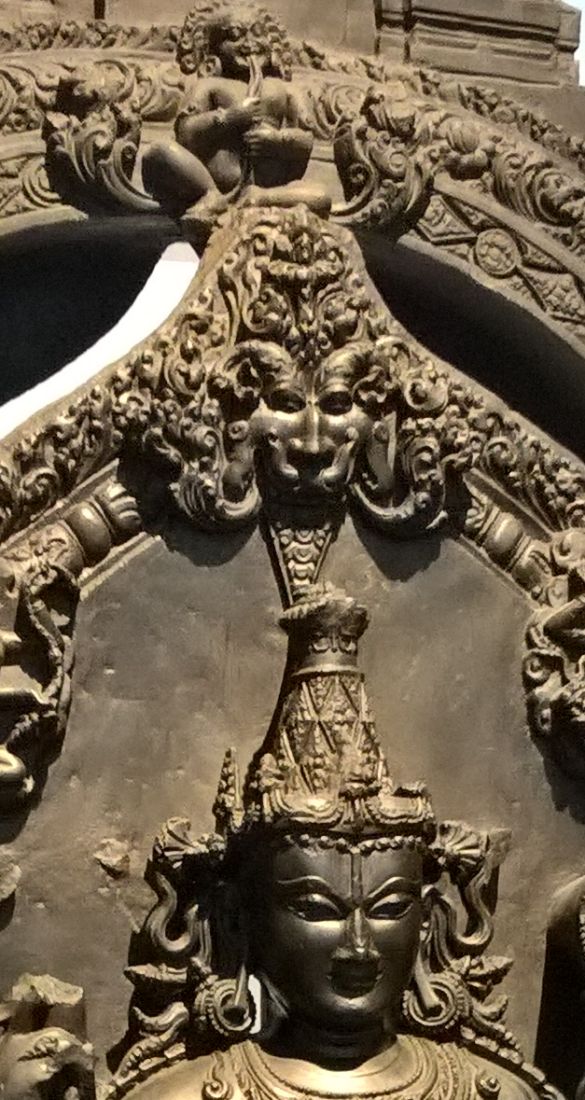
163 WP_20180909_11_04_59_ProIndiaBritishMuseumLondenVishnuAndHisConsortsWithinAnArchedTempleNichePalaDynastyAboutAS1000EastIndia02

Detail.


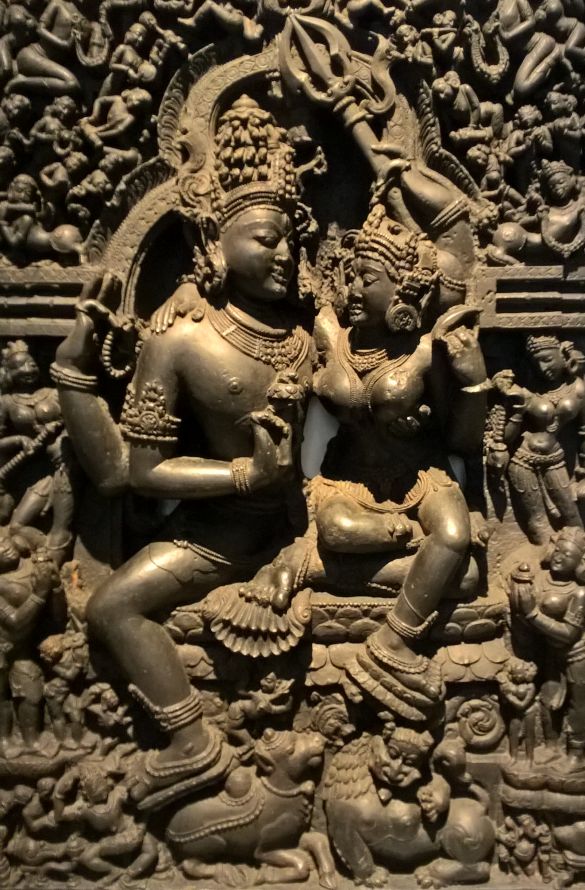
164 WP_20180909_11_06_14_ProIndiaBritishMuseumLondenTheDivineCoupleShivaAndParvati1200-1300OrissaIndia

The divine couple Shiva and Parvati, 1200 – 1300, Orissa, India.


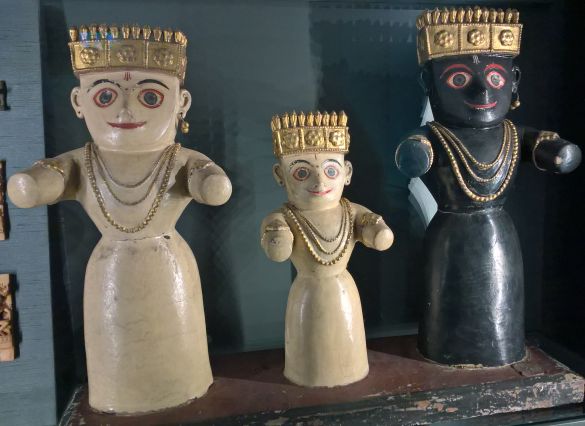
165 WP_20180909_11_07_33_ProIndiaBritishMuseumLondenTheThreePuriGodsJagannatha(right)Balabhadra(left)AndSisterSubhadra(Centre)1700-1800PuriOdisha

The Three Puri Gods, Jagannatha (right), Balabhadra (left) and Sister Subhadra (centre), 1700 – 1800, Puri, Odisha.


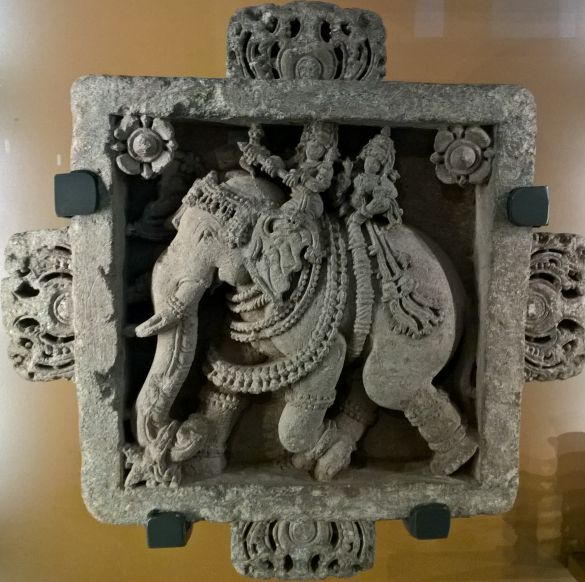
166 WP_20180909_11_11_57_ProIndiaBritishMuseumLondenStonePanelOfAnElephantAndRidersAbout1200-1300Karnataka

Stone panel of an elephant and riders, about 1200 – 1300, Karnataka, India.


Super mooi!
Er volgt nog meer.